I recently watched a customer at Nordstrom spend fifteen minutes choosing between two nearly identical face creams. Same ingredients. Same size. One retailed for $45, the other for $120. She picked up both, read the labels, tested the textures. Eventually, she bought the expensive one.
When I asked her why, she didn’t mention the formula. She said, “It just feels more luxurious. The box is so beautiful I’ll actually keep it on my vanity.”
This is the power of luxury packaging. It doesn’t just hold a product—it changes how people perceive, value, and ultimately purchase beauty products. In an industry where customers can’t test every product before buying online, packaging often makes the decision for them.
What Actually Makes Packaging “Luxury”?
It’s Heavier Than You Expect
Pick up a La Mer cream or a Tom Ford lipstick. You’ll notice something immediately—the box has weight. Not just the product inside, but the packaging itself feels substantial in your hands.
This comes from rigid chipboard construction. While most cosmetic brands use thin folding carton (the kind that ships flat and you assemble with tabs), luxury brands invest in boxes that arrive already built. The chipboard ranges from 1200 to 1500 grams—about three to four times thicker than standard packaging.
The weight isn’t accidental or wasteful. When someone picks up your product, their brain makes instant quality assessments based on tactile feedback. Heavy packaging subconsciously registers as “expensive” and “well-made.” It’s the same reason luxury watches feel substantial or why premium phones have heft to them.
If you’re considering making the jump from standard to premium packaging, exploring luxury cosmetic packaging options helps you understand what’s possible at different budget levels.
Finishes You Can Feel, Not Just See
Walk into Sephora and run your fingers across different product boxes. The luxury ones feel different—velvety, smooth, almost buttery. What you’re experiencing is soft-touch lamination, a coating that costs more than standard finishes but creates an unmistakable tactile experience.
Then there’s foil stamping. Not printed metallic ink—actual metallic foil pressed into the paper. When light hits it, you see dimension and reflection that flat printing can’t replicate. Rose gold foil has become particularly popular because it photographs beautifully for Instagram while feeling premium in person.
Embossing and debossing add another layer. Press your finger on a luxury box and often you’ll feel the logo raised or recessed into the surface. These techniques create shadow and depth that makes packaging photogenic—important when customers are filming unboxing videos.
Why Customers Actually Pay More for Better Boxes
The Packaging Placebo Effect
Most beauty brands won’t admit this: packaging affects how products perform. Or rather, how customers perceive performance.
Researchers have tested this repeatedly. They give people identical face creams in different packaging—one in a plain jar, another in luxury packaging. Consistently, people rate the luxury-packaged version as more effective, better-smelling, and higher quality. Same exact formula. Different box.
Our brains take shortcuts. We can’t chemically analyze a face cream by looking at it, so we use proxies—price, packaging, brand reputation. Heavy, well-designed boxes signal that a company invested throughout the product, not just in marketing.
This isn’t customers being superficial. It’s basic psychology. When you spend $100 on a serum, opening a beautiful box with layers of tissue paper and a perfectly nested bottle confirms you made a smart purchase. Opening a plain box creates doubt.
Many brands apply this psychology to cosmetic gift boxes where the unboxing needs to feel special enough that recipients don’t even need to wrap it.
The Instagram Factor Changed Everything
Ten years ago, unboxing was private. You bought something, opened it at home, used it. Now? Unboxing is content.
Beauty influencers with millions of followers film every unboxing. Their audiences watch every detail—how the box opens, what’s inside, how products are arranged. A boring unboxing doesn’t get posted. An exciting one gets viewed tens of thousands of times.
Smart brands design for this. Magnetic closures that make a satisfying snap. Tissue paper in brand colors. Interior printing so the inside of the box looks as good as the outside. Products nested in foam cutouts so everything sits perfectly when the lid lifts.
One beauty brand told me their packaging redesign cost an extra $3 per unit. Within three months, they’d tracked over 2,000 organic Instagram posts featuring their new boxes. Free marketing they wouldn’t have gotten with cheaper packaging.
Inside Luxury Packaging: How It’s Actually Built
Understanding luxury packaging means understanding construction. The process differs completely from standard boxes, and these differences create the premium feel customers notice immediately.
Rigid Boxes Aren’t Folding Carton on Steroids
Most people assume luxury boxes are just thicker versions of regular boxes. They’re not. The construction process is completely different.
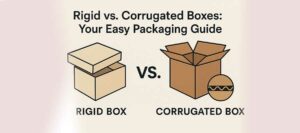
Standard cosmetic boxes start as flat sheets. Die-cut machines punch out the shape, score the fold lines, and boxes ship flat. The brand or fulfillment center assembles them by folding and tucking tabs.
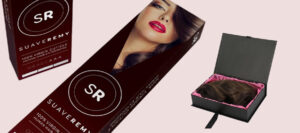
Rigid boxes start as gray chipboard—thick, dense material cut to exact dimensions. Then specialty paper (printed with your design) gets wrapped around the chipboard and glued down. Corners get wrapped carefully to avoid visible seams. The boxes arrive already assembled because they can’t fold.
This construction creates several options:
- Two-piece boxes where the lid lifts completely off—classic luxury feel, highest cost.
- Hinged boxes connected at one edge, opening like a book—elegant and slightly more economical.
- Drawer-style boxes where product slides out from a sleeve—unique tactile experience, popular for skincare sets.
Each style costs differently and creates different opening experiences. Two-piece boxes with magnetic closures feel most premium but might cost $8-12 per unit. Drawer styles might run $5-7.
What’s Inside Matters As Much As Outside
I’ve seen brands spend thousands on beautiful exterior design, then put products in plain foam inserts or loose in the box. The unboxing falls flat.
Luxury packaging continues inside. Custom foam inserts in brand colors—black foam for dramatic reveal, white for clean aesthetics—cradle products in exact-fit cutouts. Nothing shifts during shipping. When you open the box, products sit perfectly arranged.
Some ultra-luxury brands use velvet or satin lining—actual fabric glued to interior surfaces. It feels expensive because it is, but the tactile difference is undeniable.
Interior printing matters too. Instead of seeing brown chipboard when you open the lid, you see your brand colors, patterns, or messages. This level of detail shows thoroughness. For brands coordinating across multiple products, printed cosmetic boxes can maintain consistency inside and out.
The Real Costs Nobody Talks About
Let’s break down the real numbers. Most packaging companies dance around pricing, but understanding actual costs helps you make informed decisions.
What You’ll Actually Pay
Luxury cosmetic packaging investment varies based on materials, finishes, and order volume:
- Entry-level rigid boxes (simple two-piece, basic paper wrap, no special finishes): $3-5 per box at 1,000 units
- Mid-tier luxury (rigid construction, soft-touch coating, one foil element, basic insert): $5-8 per box at 1,000 units
- High-end luxury (thick rigid board, multiple finishes, velvet lining, magnetic closure, custom foam): $8-15+ per box at 1,000 units
Volume changes everything. Order 5,000 boxes instead of 1,000 and those prices can drop 30-40%. Order 10,000 and you might cut costs in half. But rigid boxes don’t work economically below 500-1,000 units because setup costs are significant.
Compare that to standard folding carton running $0.40-1.00 per box and you see why luxury packaging is an investment.
Making the Math Work
If your packaging costs $7 per unit, what should your product retail for?
Industry wisdom says packaging should represent 5-10% of retail price. So a $7 box works for products retailing at $70-140. Below that, packaging eats too much margin. Above that, you have room for even more premium elements.
I’ve worked with brands struggling with this. They want luxury positioning but their formula costs force a $45 retail price. A $7 box doesn’t work. The solution? Either reformulate to support higher pricing, or use premium folding carton with luxury finishes ($2-3 per box) that looks better than standard while staying economical.
For brands ordering larger volumes, cosmetic boxes wholesale pricing structures can help make luxury packaging more accessible as you scale.
Design Choices That Actually Matter
Small design decisions create big perceptual differences. The gap between “nice” and “luxury” often comes down to subtle choices most customers can’t articulate but definitely feel.
Colors That Read As Luxury
Certain color combinations instantly register as premium. Walk through high-end beauty retailers and you’ll see patterns:
- Black and gold dominates—Tom Ford, YSL, Chanel. It’s classic luxury that never goes out of style. Black provides drama and sophistication, gold adds richness and prestige.
- All-white minimalism with subtle gray text works for science-backed skincare brands. Think Sunday Riley or Drunk Elephant. The message: clean, pure, effective.
- Deep jewel tones—emerald, sapphire, burgundy—with metallic accents create richness without being generic luxury.
What you won’t see much? Bright primary colors. Red, yellow, bright blue—those signal fun, affordable, accessible. Luxury lives in muted sophistication or dramatic depth, not cheerful brightness.
Fonts That Look Expensive
Typography makes a bigger difference than most people realize. Use the wrong font and even expensive materials look cheap.
- Serif fonts with thin strokes and high contrast (Didot, Bodoni, Playfair) convey elegance and tradition. They’re what luxury fashion houses use.
- Clean geometric sans-serifs (Futura, Avenir) work for modern luxury brands emphasizing science and innovation.
What to avoid: Playful scripts, chunky bold fonts, anything that feels casual or trendy. Luxury typography is timeless and refined, not fashionable and fleeting.
Sustainability in Luxury: The New Standard
The conversation around luxury packaging has shifted. Environmental responsibility is no longer optional—it’s expected, especially from brands commanding premium prices.
Eco-Friendly Doesn’t Mean Cheap-Looking Anymore
Five years ago, sustainable packaging often meant sacrificing aesthetics. Not anymore. Today’s luxury consumers—especially younger ones—expect environmental responsibility even from high-end brands.
The shift happened partly because “luxury” increasingly includes ethical consumption. Customers paying $150 for a face cream often care about ingredient sourcing, animal testing, and packaging waste. Luxury without responsibility feels outdated.
FSC-certified papers come from responsibly managed forests. The certification logo on packaging signals environmental consciousness while materials perform identically to non-certified options.
Fully recyclable rigid boxes require design choices—avoiding plastic windows, using water-based adhesives, selecting recyclable paper stocks. But these choices don’t compromise appearance. You can have magnetic closures, foil stamping, and soft-touch coating on fully recyclable boxes.
Some brands coordinate this with kraft cosmetic packaging for product lines emphasizing natural ingredients, letting material choice reinforce brand messaging.
Reusable Designs Turn Packaging Into Keepsakes
Create boxes beautiful enough that customers use them for jewelry storage, desk organization, or keepsake boxes. The packaging stays in homes indefinitely, keeping your brand visible long after the product is used up.
What Works: Patterns From Successful Luxury Brands
Looking at what’s working in the market reveals patterns you can apply to your own brand strategy.
Skincare: Clinical Meets Luxurious
Premium skincare walks an interesting line. Customers want products that work (clinical credibility) but feel indulgent to use (luxury experience). Packaging reflects this balance.
Successful luxury skincare packaging typically uses:
- Clean color palettes (white, cream, soft gray) that feel pure and scientific
- Minimal graphics with lots of negative space—uncluttered and sophisticated
- Premium tactile finishes that add luxury without visual noise
- Clear ingredient transparency with full lists and explanations
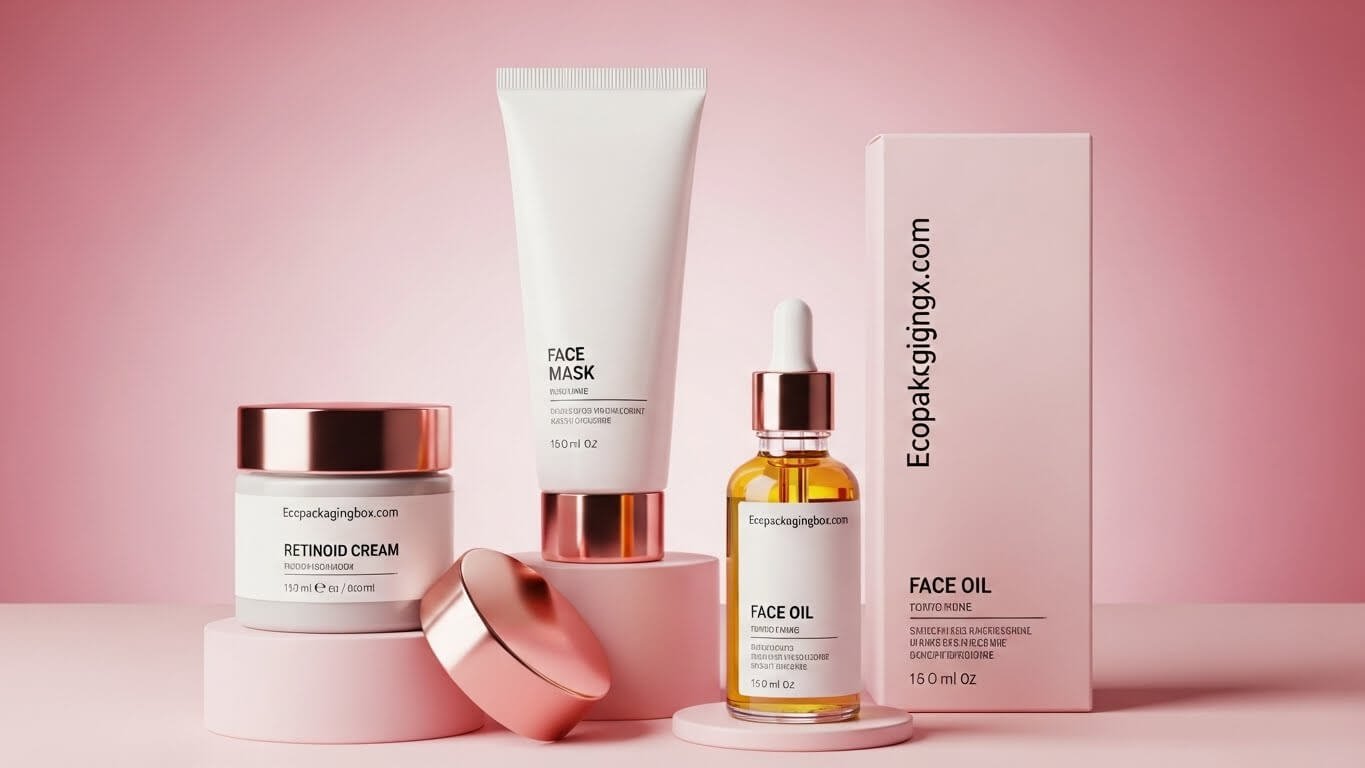
The best examples feel like they belong in a dermatologist’s office but cost what you’d expect from a luxury spa. Many coordinate packaging across serum packaging boxes and custom cream boxes to create complete treatment systems.
Color Cosmetics: Expressive but Refined
Luxury makeup packaging is more playful than skincare but maintains restraint. The challenge is being artistic without looking chaotic.
Successful patterns include:
- Shade-matched packaging where box colors hint at the product inside
- High-quality magnetic closures on eyeshadow palettes—the snap and smooth reveal matter
- Integrated mirrors in compacts (adds perceived value and functionality)
- Collectible limited-edition designs that customers want to display
The key difference from mass-market makeup? Luxury color cosmetics use restraint. Even when bold, there’s intentionality and refinement in the execution.
Working With Manufacturers: What Actually Matters
Choosing the right packaging partner can make or break your investment. Not every packaging company can execute luxury rigid boxes properly.
Red Flags to Watch For
I’ve seen brands lose thousands on manufacturers who couldn’t deliver. Watch out for:
- Companies claiming “we can do anything!” without luxury-specific portfolio examples. Rigid box production requires different equipment and expertise than folding carton.
- Minimum orders of 50-100 boxes. Rigid boxes don’t work economically at tiny quantities—setup costs are too high. Realistic minimums are 500-1,000 units.
- No sampling process. Any manufacturer not offering physical samples before production is gambling with your money.
The Sampling Process You Need
Never order thousands of luxury boxes without holding physical samples. The proper sequence looks like this:
- Design development where you work with their design team on structure, finishes, and graphics.
- Digital mockups showing all sides, interior details, and finish placements.
- Physical samples—actual boxes built with your chosen materials and finishes. Usually 1-3 units.
- Real product testing—pack your actual cosmetics in the samples. Open them like customers would. Photograph them. Confirm everything works.
- Revisions if needed, then final approval before production.
This adds 1-2 weeks to timeline but prevents disasters. I’ve seen brands skip sampling only to receive 5,000 boxes where products don’t fit or colors print wrong. A $30,000+ mistake nobody wants to make.
Where Luxury Packaging Is Heading
The landscape continues evolving. Three trends are reshaping what luxury packaging looks like.
Maximalism Makes a Comeback
After a decade of minimalist luxury (think all-white Glossier vibes), maximalism is returning. Bold patterns, rich textures, unexpected color combinations. Luxury brands are getting playful again.
This doesn’t mean abandoning sophistication—it means expressing it through abundance rather than restraint. Think intricate botanical patterns, layered textures, multiple finishes on the same surface.
Monochromatic Sophistication
Opposite trend but equally strong: all-one-color packaging with subtle tone-on-tone details. An all-burgundy box with burgundy embossing and slightly darker burgundy foil creates depth through variation rather than contrast.
These designs photograph beautifully and feel cohesive and intentional—like someone spent time on every detail.
Personalization Becomes Accessible
Digital printing technology now allows personalized luxury packaging without custom dies for each variation. Customer names, custom color combinations, or unique patterns on individual boxes—what used to require massive investment now works at moderate scale.
Early adopters are using this for ultra-premium limited editions and VIP customer programs.
Final Thoughts: Is Luxury Packaging Worth It?
Working with beauty brands at every level has taught me this: luxury packaging isn’t about vanity or excess. It’s about alignment.
If you’re selling $15 drugstore lipsticks, rigid boxes with soft-touch coating don’t make sense. The math doesn’t work and customers don’t expect it.
But if you’re positioning at $60+ and competing against established luxury brands, your packaging needs to match that positioning. Customers in premium markets judge quality partly by packaging. Show up with cheap boxes and they’ll assume your formula is cheap too, regardless of what you actually put inside.
The investment pays back through:
- Higher perceived value that supports premium pricing
- Lower return rates from satisfied customers
- Organic social sharing when packaging impresses
- Stronger retailer relationships (premium stores judge packaging quality)
- Customer loyalty from people who connect emotionally with the complete experience
The question isn’t whether luxury packaging costs more—it does. The question is whether your brand positioning, target market, and pricing structure support it.
Whether you’re just starting to explore luxury packaging or ready to make the investment, understanding these fundamentals helps you make informed decisions that align with your brand’s goals and budget.
Explore your options: EcoPackagingBox specializes in helping beauty brands create packaging that justifies premium pricing while maintaining environmental responsibility. From sustainable rigid boxes to premium finishes and custom designs, we bring your vision to life with quality you can feel.