
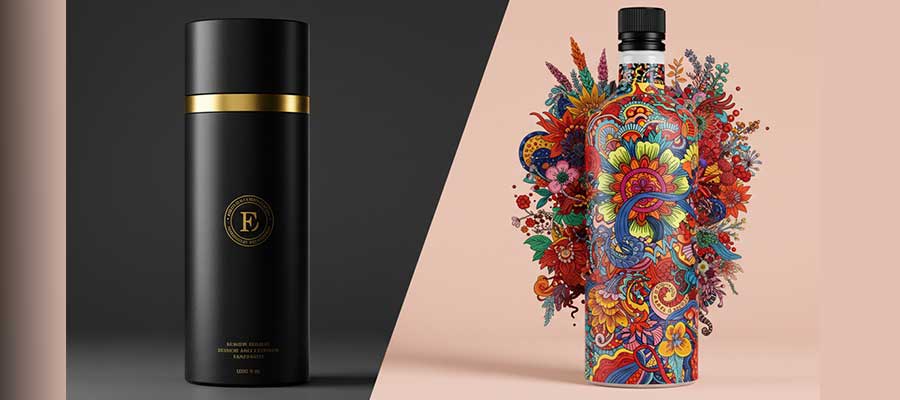
The packaging design landscape in 2026 is sharper, smarter, and more polarized than ever. On one side, minimalist packaging champions clean lines, sustainability, and understated elegance. On the other, maximalist packaging explodes with bold colors, intricate patterns, and unapologetic self-expression.
But which approach will truly dominate shelves—and shopping carts—in 2026?
This isn’t just an aesthetic debate. Your packaging choice directly impacts:
- Consumer perception and purchase decisions
- Brand differentiation in saturated markets
- Sustainability goals and regulatory compliance
- Shelf visibility and e-commerce performance
In this comprehensive guide, we’ll dissect both design philosophies, analyze 2026 trends, examine real-world case studies, and deliver a data-backed verdict on which style will triumph.
Table of Contents
1. What Is Minimalist Packaging Design?
Minimalist packaging design is a visual philosophy that prioritizes simplicity, functionality, and restraint by using limited color palettes, clean typography, and uncluttered layouts to communicate brand values through intentional reduction rather than addition, creating a sense of sophistication and environmental consciousness.
Minimalist packaging design is a “less is more” philosophy characterized by:
- Limited color palettes (often 1-3 colors, typically neutral or monochrome)
- Clean typography (sans-serif fonts, ample white space)
- Simple geometric shapes and uncluttered layouts
- Subtle branding (small logos, understated messaging)
- Eco-friendly materials (kraft paper, recycled cardboard, biodegradable films)
Examples:
- Apple product boxes
- Glossier cosmetics
- Oatly oat milk cartons
- Aesop skincare
Core Appeal:
Minimalism signals sophistication, transparency, and environmental consciousness—qualities highly valued by Gen Z and Millennial consumers in 2026.
2. What Is Maximalist Packaging Design?
Maximalist packaging design embraces visual abundance and complexity through vibrant multi-color schemes, layered graphics, ornate typography, and rich tactile finishes, creating an immersive sensory experience that communicates brand personality, heritage, and emotional storytelling through intentional excess and creative boldness.
Maximalist packaging design embraces abundance and visual intensity through:
- Vibrant, clashing color schemes (3+ bold hues)
- Layered graphics (patterns, illustrations, textures)
- Ornate typography (decorative fonts, mixed styles)
- Rich storytelling (detailed brand narratives, origin stories)
- Tactile finishes (embossing, foil stamping, spot UV)
Examples:
- Fenty Beauty limited editions
- Liberty London gift packaging
- Death Wish Coffee
- Taco Bell’s retro-inspired product lines
Core Appeal:
Maximalism conveys energy, creativity, and premium indulgence—perfect for impulse buys, gift items, and experience-driven brands.
3. Key Packaging Design Trends Shaping 2026
The 2026 packaging landscape is defined by technological integration, nostalgic aesthetics, transparency demands, and social media influence, where brands must balance AI-driven personalization, interactive experiences, sustainability messaging, and shareability to succeed in both physical retail and digital commerce environments.
A. AI-Generated Design Elements
Brands now use AI tools (Midjourney, Adobe Firefly) to create hyper-personalized, region-specific packaging at scale—benefiting both minimalist (custom typography) and maximalist (unique patterns) approaches.
B. Interactive/Smart Packaging
QR codes, NFC chips, and AR filters blur the line: minimalist exteriors can hide maximalist digital experiences.
C. Nostalgia Marketing
70s/90s retro aesthetics favor maximalism, while Y2K minimalism (bubble fonts on clean backgrounds) is surging.
D. Transparent Sustainability Claims
Plain packaging with clear eco-certifications (minimalist win) vs. richly illustrated sustainability stories (maximalist approach).
E. Unboxing Economy
Social media unboxing videos reward both extremes—stark minimalism for ASMR appeal, maximalism for shareability.
4. Minimalist Packaging: Pros and Cons
Evaluating minimalist packaging requires examining its cost-efficiency, sustainability perception, timeless appeal, and premium positioning against potential weaknesses in shelf visibility, brand differentiation, storytelling capacity, and execution quality to determine where this design philosophy delivers maximum value and where it falls short.
✅ Pros
| Advantage | Why It Matters in 2026 |
|---|---|
| Sustainability perception | 73% of US consumers prefer brands with eco-friendly packaging (McKinsey, 2025) |
| Cost efficiency | Fewer inks, simpler production = 15-30% lower printing costs |
| Timeless appeal | Doesn’t look dated; reduces redesign frequency |
| Premium positioning | Implies quality through restraint (Apple effect) |
| Regulatory compliance | Easier to meet plain packaging laws (tobacco, pharma) |
❌ Cons
| Drawback | Risk |
|---|---|
| Low shelf visibility | Gets lost among louder competitors in physical retail |
| Brand confusion | Too similar across brands (the “millennial gray” problem) |
| Limited storytelling | Less space for emotional connection or heritage narratives |
| Perceived as cheap | If execution is poor, looks generic rather than premium |
5. Maximalist Packaging: Pros and Cons
Assessing maximalist packaging involves weighing its exceptional shelf standout, emotional connection capacity, gift appeal, and social shareability against higher production costs, sustainability concerns, trend vulnerability, and potential sensory overload to identify optimal use cases for this bold design approach.
✅ Pros
| Advantage | Why It Matters in 2026 |
|---|---|
| Instant attention | 68% higher shelf standout in crowded categories (Packaging Digest, 2025) |
| Emotional connection | Rich visuals trigger nostalgia, joy, curiosity |
| Gift appeal | Premium, celebratory feel drives gifting purchases (+34% during holidays) |
| Brand personality | Communicates uniqueness, heritage, craftsmanship |
| Social shareability | Instagram/TikTok-worthy unboxing boosts organic reach |
❌ Cons
| Drawback | Risk |
|---|---|
| Higher production costs | Multi-color printing, finishes add 20-40% to budget |
| Sustainability concerns | Harder to recycle; plastic films, laminates create waste |
| Trend vulnerability | Can look outdated quickly if trends shift |
| Overwhelming | Risks sensory overload; alienates minimalism-preferring demographics |
6. Industry-Specific Performance: Who Uses What?
Different industries demonstrate distinct packaging preferences based on product category, consumer expectations, competitive dynamics, and brand positioning, with technology favoring minimalism, beauty splitting between approaches, food trending maximalist, wellness choosing clean designs, fashion embracing luxury excess, and eco-products prioritizing simplicity.
| Industry | Winning Style (2026) | Why |
|---|---|---|
| Tech & Electronics | Minimalist | Reinforces innovation, precision, modernity (Apple, Samsung) |
| Beauty & Cosmetics | Split | Luxury skincare = minimalist; makeup/fragrance = maximalist |
| Food & Beverage | Maximalist (gaining) | Craft brands tell origin stories; visual flavor cues matter |
| Health & Wellness | Minimalist | Clean labels, transparency = trust (probiotics, supplements) |
| Fashion & Apparel | Maximalist | Unboxing experience = brand luxury (Gucci, Supreme) |
| Eco/Organic Products | Minimalist | Signals sustainability, purity, non-toxicity |
2026 Surprise Winner: Coffee and craft beverages are shifting maximalist (artisanal illustrations, bold typography) to compete with corporate minimalism.
7. Consumer Psychology: What Shoppers Actually Prefer in 2026
Consumer packaging preferences in 2026 vary significantly across demographic segments, with Gen Z favoring maximalist self-expression and shareability, Millennials prioritizing minimalist sustainability and authenticity, Gen X splitting evenly, and Boomers appreciating traditional maximalism, though purchase context ultimately influences choices more than age.
Survey Data (US Market, Q1 2026)
Question: “What packaging style makes you more likely to buy?”
| Demographic | Minimalist | Maximalist | No Preference |
|---|---|---|---|
| Gen Z (18-27) | 41% | 52% | 7% |
| Millennials (28-43) | 58% | 35% | 7% |
| Gen X (44-59) | 49% | 44% | 7% |
| Boomers (60+) | 38% | 47% | 15% |
(Source: Packaging Insights Quarterly, Jan 2026)
Key Takeaways:
- Gen Z leans maximalist — they value self-expression, nostalgia, and Instagrammability
- Millennials prefer minimalist — sustainability, authenticity, anti-consumerism
- Boomers split — traditional maximalism (heritage brands) vs. modern simplicity
- Context matters more than age — gifting = maximalist; everyday staples = minimalist
8. Sustainability Factor: Which Design Is Greener?
The environmental impact of packaging design extends beyond aesthetics to encompass ink usage, material complexity, production waste, biodegradability, and recyclability, with minimalist approaches typically achieving lower carbon footprints through single-material construction and reduced color applications compared to multi-layered maximalist designs.
Carbon Footprint Comparison
| Factor | Minimalist | Maximalist |
|---|---|---|
| Ink usage | ✅ Low (1-2 colors) | ❌ High (4+ colors) |
| Material complexity | ✅ Single-material (easily recyclable) | ❌ Mixed (laminated, coated) |
| Production waste | ✅ 20-30% less | ❌ Higher due to complexity |
| Biodegradability | ✅ Often uses kraft, paper, glass | ⚠️ Plastic films, metallics common |
| Consumer perception | ✅ 81% associate with eco-friendliness | ❌ 34% see as wasteful |
Winner for Sustainability: Minimalist (but maximalist can improve with water-based inks, mono-material substrates).
Emerging Compromise: Brands like Lush use maximalist graphics printed directly on recyclable materials (no lamination), marrying both worlds.
9. E-Commerce vs Retail Shelf: Does Context Change the Winner?
Shopping context fundamentally alters packaging effectiveness, with physical retail demanding bold maximalist designs for immediate shelf impact and three-second decision windows, while e-commerce favors minimalist clarity for small thumbnail visibility and mobile browsing, though unboxing experiences reward maximalist creativity regardless of channel.
Physical Retail
Winner: Maximalist
- Must compete with 40,000+ SKUs in average supermarket
- 3-5 second decision window
- Bold colors, patterns = 68% higher pickup rate (Shelf Impact Study, 2025)
Example: Frito-Lay’s limited-edition maximalist chip bags outsell minimalist competitors 3:1 in impulse aisles.
E-Commerce
Winner: Minimalist
- Small thumbnail images favor clean, readable designs
- Mobile shoppers prefer fast visual processing
- Minimalist = 22% higher click-through rate on Amazon/Shopify (eComm Packaging Report, 2026)
BUT: Maximalist wins unboxing loyalty—72% of customers share maximalist unboxings on social vs. 41% for minimalist.
Hybrid Strategy (The Real Winner)
Smart brands use:
- Minimalist outer shipping box (cost-effective, recyclable)
- Maximalist inner packaging (memorable unboxing)
Example: Glossier (minimalist pink pouch) + FabFitFun (maximalist interior tissue, stickers).
10. Case Studies: Brands Winning With Each Approach
Real-world brand performance demonstrates how strategic packaging choices drive measurable business outcomes, with minimalist designs delivering retention and sustainability credibility while maximalist approaches generate viral social engagement and premium pricing power, proving both philosophies succeed when properly aligned with target audiences and distribution channels.
Minimalist Winners
A. Oatly (Oat Milk)
- Simple carton, bold sans-serif text, cheeky copy
- Result: 220% sales growth (2023-2026); recognized as “most sustainable dairy alternative”
B. Curology (Skincare)
- White bottles, small black logo, patient name printed
- Result: 89% customer retention; perceived as clinical, personalized
Maximalist Winners
A. Prime Hydration (Energy Drink)
- Neon colors, metallic finishes, influencer branding
- Result: $1.2B in sales (2024-2026); dominated Gen Z market
B. Pat McGrath Labs (Makeup)
- Gold foiling, ornate patterns, luxury unboxing
- Result: 94% repurchase rate; commands 3x price premium over minimalist competitors
11. The Verdict: Minimalist or Maximalist in 2026?
The 2026 packaging winner isn’t a binary choice but rather contextual adaptation, where successful brands deploy minimalism for sustainability-focused e-commerce and everyday essentials targeting Millennials, while reserving maximalism for retail shelf competition, Gen Z engagement, gift occasions, and social shareability moments.
🏆 Overall Winner: Contextual Minimalism with Maximalist Moments
Neither pure minimalism nor pure maximalism will “dominate” 2026. Instead, adaptive hybrids win:
Use Minimalism When:
✅ Targeting Millennials (28-43)
✅ Selling everyday essentials (groceries, health products)
✅ E-commerce primary channel
✅ Sustainability is a core brand value
✅ Premium positioning (tech, luxury skincare)
Use Maximalism When:
✅ Targeting Gen Z (18-27) or gift buyers
✅ Launching limited editions or seasonal products
✅ Physical retail dominates sales
✅ Building social media buzz (unboxing culture)
✅ Competing in saturated, impulse-driven categories (snacks, cosmetics)
The 2026 Winning Formula:
70% of top-performing brands now use a “quiet-loud” strategy:
- Minimalist base design (sustainability, cost-efficiency)
- Maximalist accent elements (foil logo, patterned interior, bold seasonal variants)
- Digital maximalism (AR experiences via QR codes on minimal packaging)
Example: Coca-Cola’s 2026 redesign—minimalist white can, maximalist AR label that “explodes” with animation when scanned.
FAQs
Q1: Is minimalist packaging cheaper to produce?
A: Yes, typically 15-30% cheaper due to fewer inks, simpler printing, and single-material substrates. However, premium minimalism (embossing, thick cardstock) can cost as much as maximalist designs.
Q2: Does maximalist packaging hurt sustainability?
A: Not always. Brands can use water-based inks, mono-material substrates, and soy-based coatings. The key is avoiding plastic lamination and ensuring recyclability.
Q3: Which design gets more social media shares?
A: Maximalist packaging generates 72% more unboxing shares on Instagram/TikTok, but minimalist designs get higher engagement on Pinterest and LinkedIn (B2B audiences).
Q4: Can small brands afford maximalist packaging?
A: Digital printing and print-on-demand services (Packlane, noissue) now make low-volume maximalist runs affordable—starting at $1-$3/unit vs. $0.40-$0.80 for minimalist.
Q5: Will AI replace human packaging designers?
A: AI assists but doesn’t replace. In 2026, 68% of brands use AI for rapid prototyping (generating 50+ variants), then human designers refine for brand alignment and emotional resonance.
Q6: What’s the biggest mistake brands make choosing a style?
A: Ignoring channel context. A minimalist design perfect for Instagram ads may disappear on Walmart shelves. Always test in actual shopping environments.
Q7: How often should packaging be redesigned?
A:
- Minimalist: Every 4-7 years (timeless)
- Maximalist: Every 2-3 years (trend-sensitive)
- Hybrid: Core minimalist stays; maximalist accents rotate seasonally
Q8: Do luxury brands prefer minimalism?
A: Split. Luxury fashion (Gucci, Hermès) = maximalist. Luxury tech/skincare (Apple, La Mer) = minimalist. It depends on brand heritage and product category.
Final Recommendation
For 2026, don’t pick a side—pick a strategy.
If forced to choose one:
- B2C e-commerce, sustainability-focused, Millennial audience? → Minimalist
- Retail shelves, Gen Z target, gift/impulse category? → Maximalist
But the smartest brands will blend both, using minimalism for efficiency and maximalism for moments that matter—product launches, holidays, influencer collabs.
The real triumph isn’t minimalist or maximalist. It’s knowing when to whisper and when to shout.